When it comes to modern men’s grooming, very few hairstyles have exploded in popularity the way the low taper has. It’s subtle but stylish, clean yet flexible, and honestly one of the easiest cuts to maintain without sacrificing a sharp look. Whether someone prefers a professional vibe, a casual fade, or even a textured, messy top, the low taper works beautifully across different styles, hair types, and face shapes.
In this article, we’ll break down everything you need to know about the low taper—from what it is, why it’s so popular, who it suits best, and how to maintain it like a pro. Consider this your expert-level yet friendly guide to mastering the trend.
What Exactly Is a Low Taper?
The term “low taper” describes a fade that starts very low on the head, typically around the ear line, and gradually blends the hair into longer lengths as it moves upward. Unlike high or mid tapers, the low taper focuses on subtlety. It doesn’t expose too much of the scalp, which makes it a perfect option for people who want a neat, polished look without going extreme.
One of the best things about the low taper is how balanced it feels. It never overtakes the rest of the hairstyle; instead, it enhances it. Whether you keep your hair short, medium, curly, straight, or wavy, the taper simply outlines the style and makes everything look cleaner. This is exactly why barbers recommend it so often—they know it’s a dependable cut that works on almost anyone.
Another reason the low taper has become a modern staple is its natural blend. Because the fade starts low, it looks smoother and more gradual than more dramatic tapers. This gives the haircut a softer finish, especially from the back and sides, making it perfect for students, working professionals, and anyone who enjoys a calm yet fashionable haircut.
Why the Low Taper Is So Popular Right Now
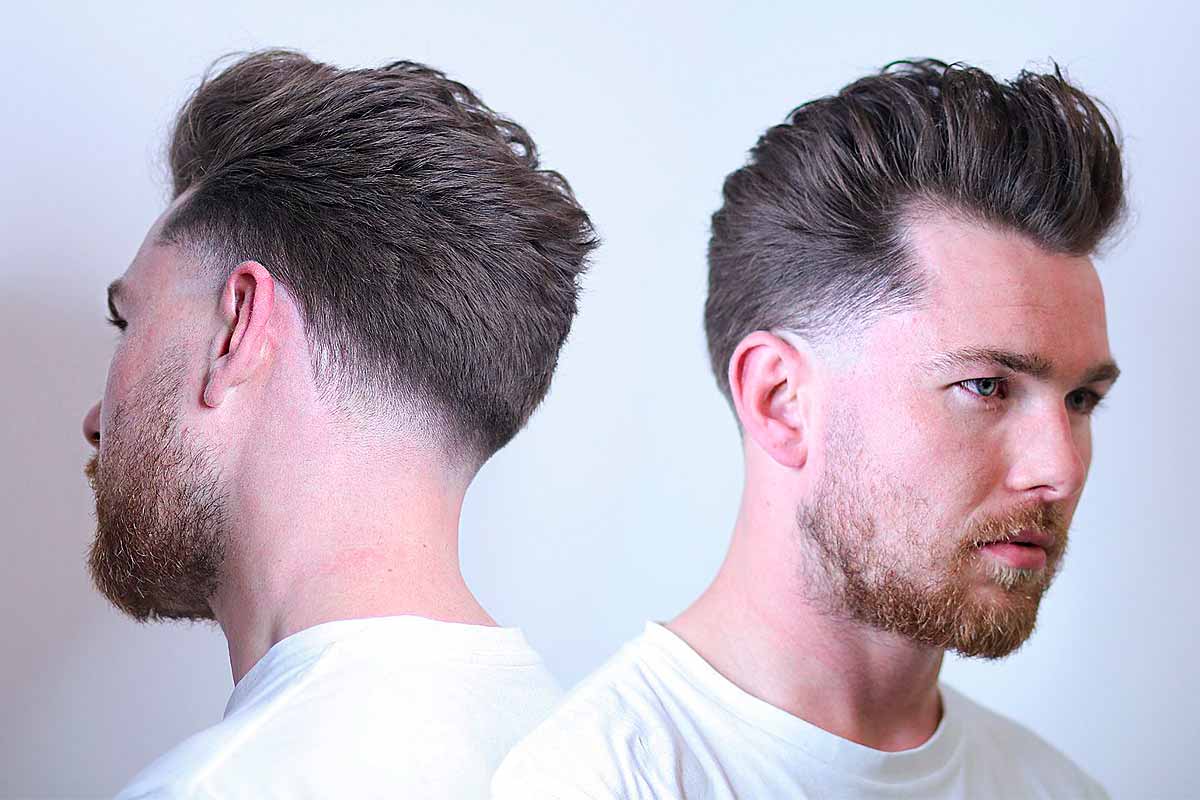
The low taper keeps trending because it manages to hit that sweet spot between minimal effort and maximum style. Let’s be honest—most people want a haircut that looks amazing without requiring 20 minutes in the washroom every morning. The low taper checks that box effortlessly.
Another big reason for its popularity is how universal it is. You can pair the low taper with almost every hairstyle you can think of: quiffs, curls, comb-overs, fringes, twists, braids, pompadours—you name it, the taper fits right in. Social media has also played a major role in making this cut mainstream. Barbers on TikTok and Instagram frequently showcase clean low taper designs that catch millions of views, inspiring thousands of people to try the same look.
What makes the low taper truly appealing, though, is the confidence it gives. A crisp, well-blended taper can make even the simplest hairstyle look more refined. It sharpens facial features, adds structure, and frames the face nicely. It’s one of those haircuts that quietly boosts your overall appearance, and most people don’t realize its impact until they try it.
Who Does the Low Taper Suit Best?
The beauty of this haircut lies in its versatility. The low taper complements almost every face shape—round, square, oval, or heart-shaped. Because the fade is gentle, it doesn’t add harsh lines or angles. Instead, it helps balance the proportions of the face, making it ideal for people who want a more subtle enhancement.
If you have curly or wavy hair, a low taper can make your natural texture stand out without making the sides look bulky. Many barbers recommend this style to clients with fuller hair because the taper helps control volume while keeping everything looking intentional. On the other hand, people with straight or fine hair benefit from the taper because it adds contrast, giving the illusion of more shape and movement.
Age is also not a limiting factor at all. Teenagers love the low taper for its trendy appeal, adults appreciate its clean-cut look for work, and even older men enjoy it because it keeps the hair neat without going too bold. The low taper is genuinely one of those rare styles that look good on everyone when done correctly.
Different Low Taper Variations to Consider
Not all low tapers are created equal, and that’s a good thing. There are several variations depending on how bold or subtle you want the taper to appear. One popular version is the low taper fade, which adds a little more contrast and sharpness by taking the fade slightly closer to the skin. This is perfect for someone who loves definition without going for a full skin fade.
Another option is the low burst taper, which creates a rounded taper around the ear. This is especially popular for people with curly hair or mullet-style cuts because it creates a clean, circular shape that blends nicely with longer backs or textured tops. The burst taper is a favorite among barbers who enjoy adding creative flair.
There’s also the low taper with a lineup, which gives you sharp edges around the forehead and temples. This is a fantastic choice for people who like precision and a crisp outline. The lineup adds a professional, polished touch, especially for men who enjoy structured hairstyles.
How to Ask Your Barber for the Perfect Low Taper
While most barbers know what a low taper is, it’s still important to communicate clearly. Start by mentioning that you want a “low taper on the sides and back.” This ensures the fade begins low near the ears. If you prefer something sharper, tell your barber how short you want the taper—#1, #0.5, or even skin level.
Bringing reference photos always helps. The low taper has different interpretations, and showing your barber the exact style you want eliminates guesswork. Make sure you discuss how long you want the hair on top. The taper only affects the sides and back; the top length determines how the final style will look.
Lastly, don’t be shy about telling your barber how you style your hair daily. If you prefer a messy look, they might cut the top differently than if you prefer sleek comb-overs. Barbers appreciate this communication because it helps them give you the best cut for your lifestyle.
How to Maintain a Low Taper Like a Pro
The low taper is relatively low-maintenance, but that doesn’t mean you can forget about it completely. Generally, you should visit the barber every 2–3 weeks to keep the fade looking fresh. If you wait too long, the taper loses its definition and grows unevenly, especially around the ears.
At home, use a good styling product based on your hair type. For wavier or curlier textures, a lightweight cream works best to enhance volume without making the hair stiff. For straight or fine hair, pomade or matte clay can add texture and shape without weighing things down. The key is choosing products that enhance the natural movement of your hair rather than overpowering it.
Regular washing and conditioning also play a huge role in keeping your haircut looking polished. Avoid over-washing because it can dry out your hair, but don’t skip conditioning—it keeps the hair soft and easier to style. If you want extra definition, consider using a blow dryer; even a quick 30-second dry can boost volume and shape.
Final Thoughts: Why the Low Taper Isn’t Going Anywhere
The low taper isn’t just a trend—it’s a modern classic. It offers the perfect combination of subtlety, style, and versatility, making it suitable for just about everyone. Whether you’re experimenting with new hairstyles or sticking with your signature look, this taper will upgrade your appearance with minimal effort.
What truly sets it apart is the clean, fresh vibe it gives every time. It’s the kind of haircut that quietly boosts confidence, looks good in all settings, and stays relevant no matter how fashion evolves. If you’ve been thinking about trying a low taper, there’s no better time—your next great look might just be a fade away.